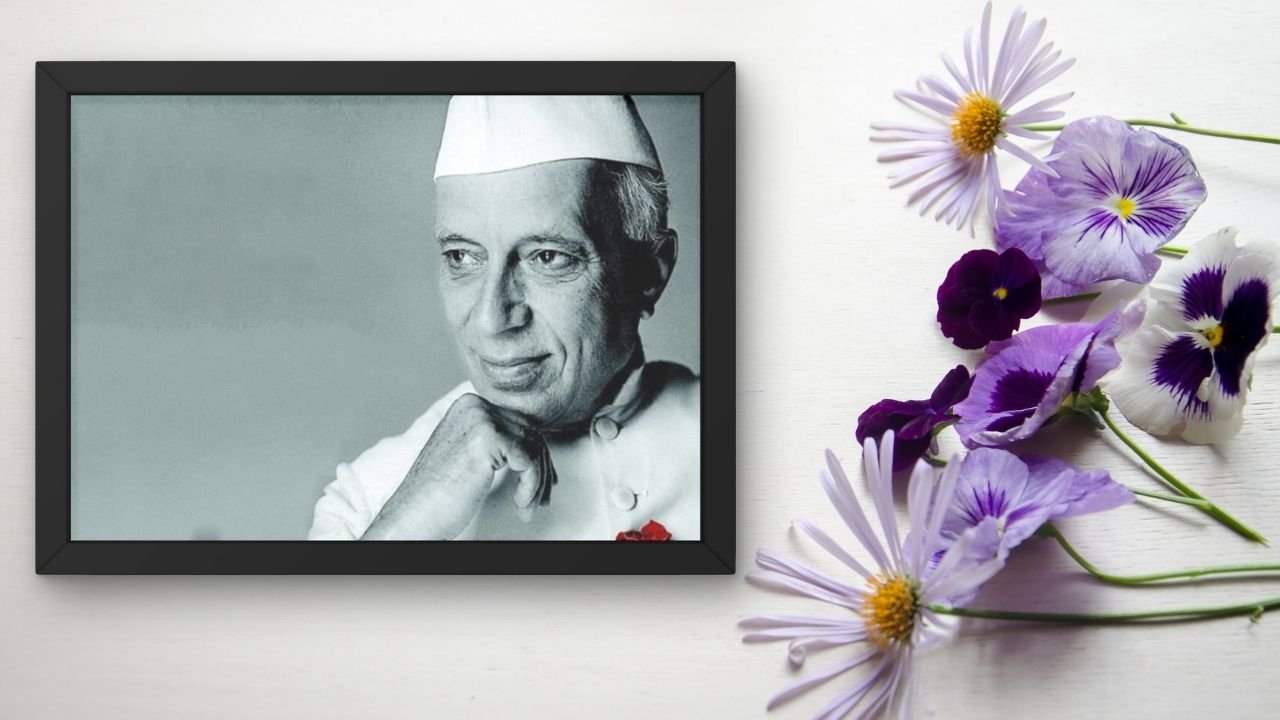
Story of Indian First Prime Minister Jawaharlal Nehru, was one of India’s greatest leaders. He played a pivotal role in India’s freedom struggle and became the country’s first prime minister after independence. He is also known as “Chacha Nehru” because he loved children very much.
Early Life of Jawaharlal Nehru
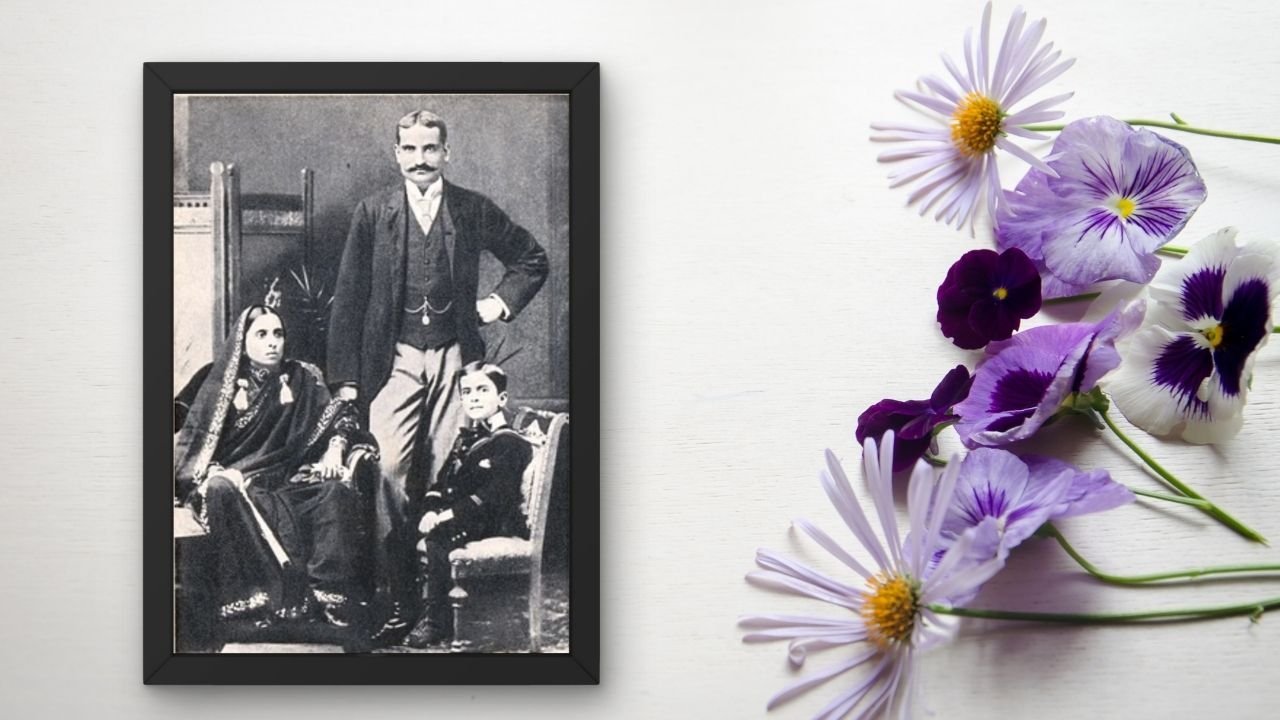
Jawaharlal Nehru was born on November 14, 1889, in Allahabad. His father, Motilal Nehru, was a well-known lawyer and leader. His mother, Swarup Rani Nehru, was a loving homemaker. He grew up in a rich and educated family.
However, he had two sisters:
- Vijaya Lakshmi Pandit
- Krishna Hutheesing
Marriage Life of Jawaharlal Nehru (1916)
Jawaharlal Nehru got married to Kamala Nehru in 1916.
Kamala Nehru was a simple and strong woman who supported him during India’s freedom struggle. She also took part in protests against British rule.
Children of Jawaharlal Nehru (1917)
Story of Indian First Prime Minister Jawaharlal Nehru and Kamala Nehru had one child together, a daughter named Indira Gandhi.
Indira Gandhi was born on November 19, 1917, and later became a powerful Prime Minister of India.
Family Life and Challenges
Nehru’s family life was not easy. His wife, Kamala Nehru, often faced health problems.
She died in 1936 in Switzerland. This was a very sad time for Nehru. Despite personal loss, he continued to work for India’s freedom.
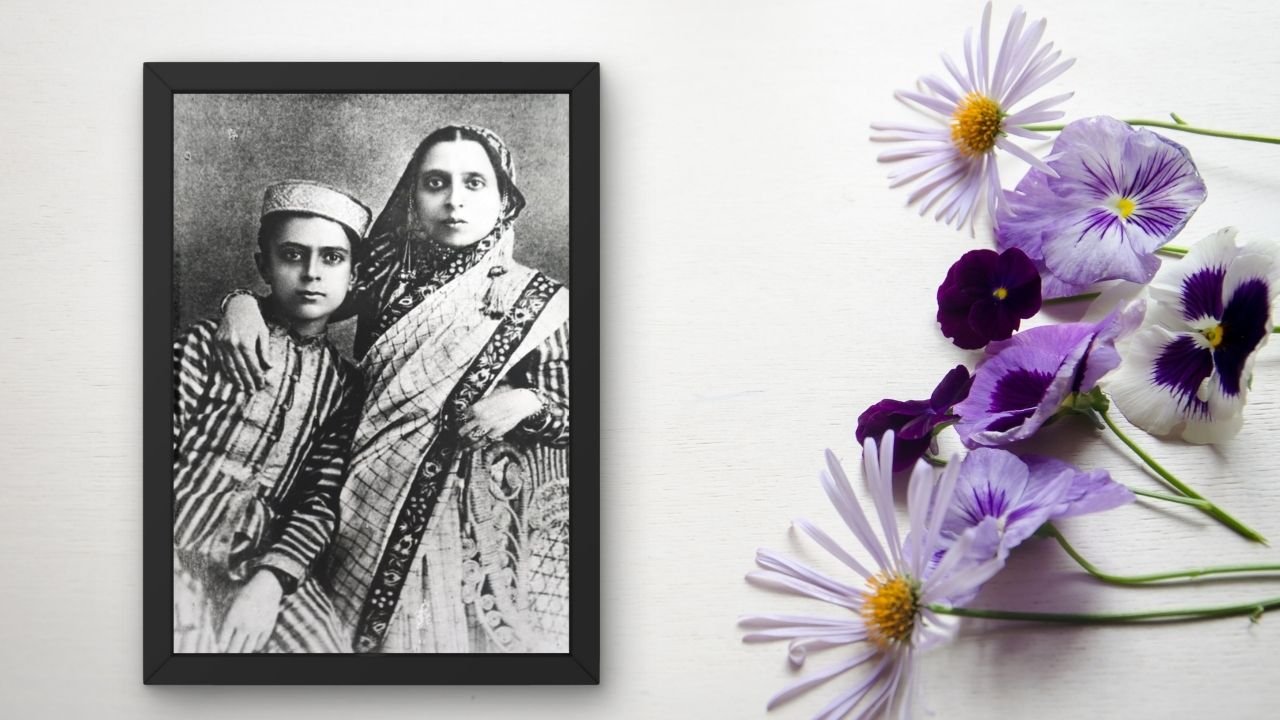
Relationship with His Daughter
Nehru had a close bond with his daughter Indira Gandhi.
He wrote many letters to her, teaching her about history and life. These letters later became famous books.
Childhood Education at Home (1890s – 1905)
During his early years, Nehru was taught at home by private teachers. He learned English, science, and basic subjects.
From 1890 to 1905, he developed a strong interest in reading books, nature, and science. His early education built a strong foundation for his future.
School Education in England (1905 – 1907)
In 1905, Nehru went to England for higher studies. He joined Harrow School.
He studied there until 1907. At Harrow, he improved his knowledge, discipline, and confidence.
College Education at Cambridge (1907 – 1910)
After school, Nehru joined the University of Cambridge in 1907.
He studied natural science, history, and politics. He completed his degree in 1910. His college life helped him understand world issues and modern ideas.
Law Studies in London (1910 – 1912)
After Cambridge, Nehru moved to London to study law. He joined the Inner Temple in 1910.
He completed his law training and became a barrister in 1912. After that, he returned to India.
Return to India and Early Career (1912)
In 1912, Nehru came back to India and started working as a lawyer. However, he soon became interested in politics and joined the freedom movement. Story of Indian First Prime Minister Jawaharlal Nehru
Role in India’s Freedom Struggle
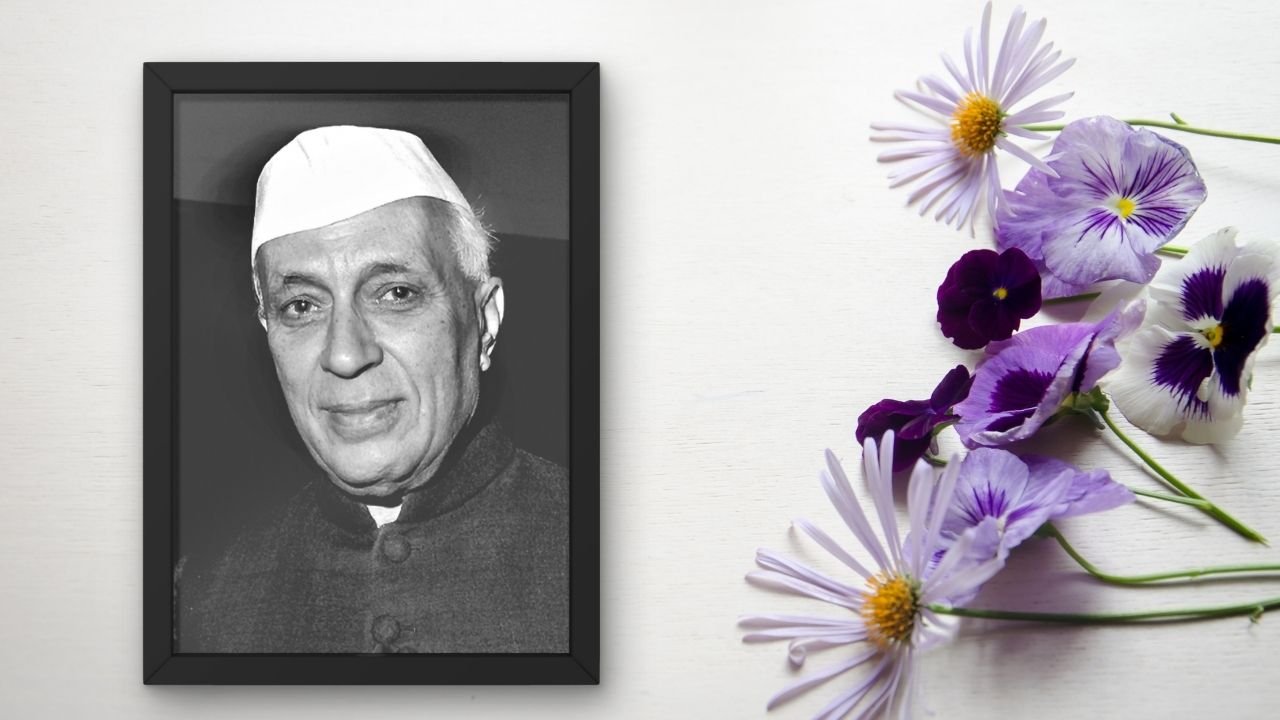
Jawaharlal Nehru entered politics at a young age and became one of the most important leaders in India’s freedom struggle. His political journey is full of dedication, sacrifice, and strong leadership.
First Step into Politics (1912)
In 1912, Jawaharlal Nehru attended the annual session of the Indian National Congress in Patna.
This was his first step into politics, where he began to understand how political movements worked in India.
After returning to India in 1912, Nehru joined the Indian National Congress. In 1919, the Jallianwala Bagh Massacre deeply shocked him and pushed him into active politics.
Influence of Mahatma Gandhi (1916)
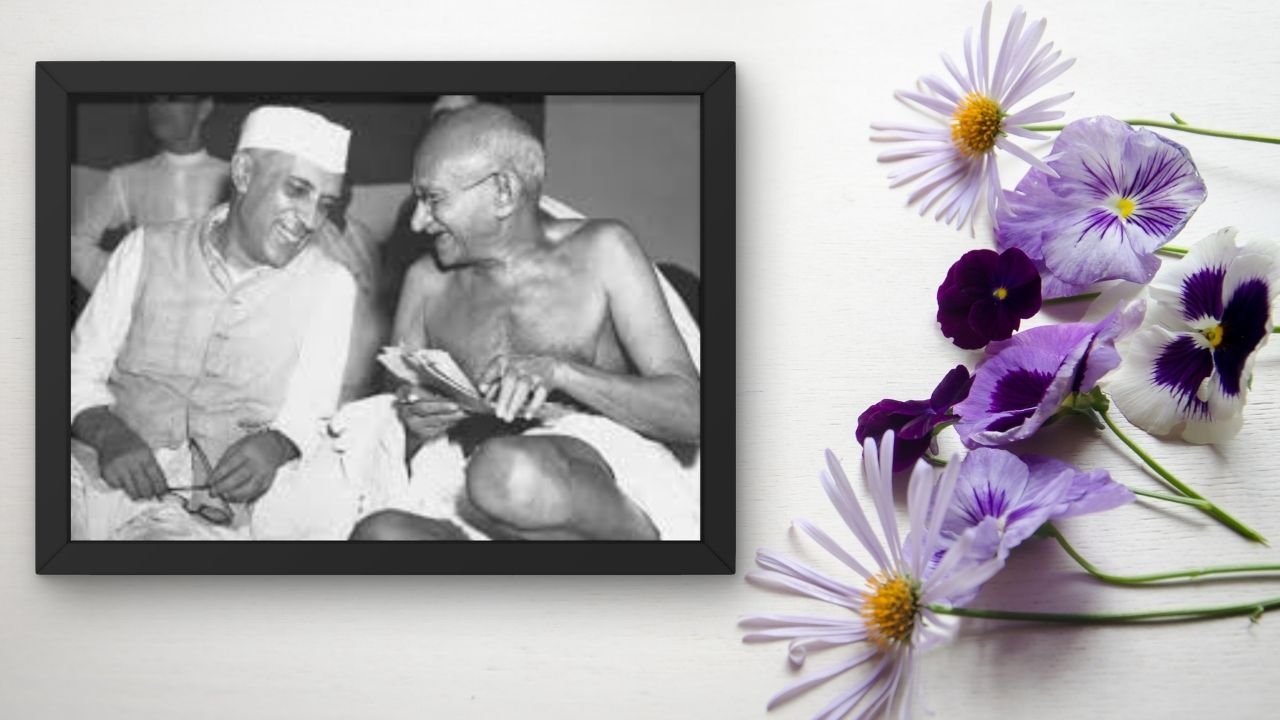
Nehru first met Gandhi in 1916 at the Lucknow session of the Indian National Congress.
This meeting changed his life. Gandhi’s ideas of truth, non-violence, and freedom inspired Nehru to fully join the independence movement.
Mahatma Gandhi acted like a mentor (teacher) to Jawaharlal Nehru.
Gandhi guided Nehru in politics and taught him how to lead people with peace and discipline. Nehru respected Gandhi like a father.
Active Role in Freedom Movement (1919 – 1920)
In 1919, after the Jallianwala Bagh Massacre, Nehru became more active in politics.
In 1920, he joined Gandhi’s Non-Cooperation Movement and started protesting against British rule.
Non-Cooperation Movement (1920)
In 1920, Nehru supported Gandhi’s Non-Cooperation Movement. He encouraged people to boycott British goods, schools, and services. This was his first major step in mass movements.
Rise as a National Leader (1920s)
In the 1920s, Jawaharlal Nehru became a strong leader in the Indian National Congress.
He traveled across India, met people, and encouraged them to fight for independence. He was also arrested many times by the British government.
Congress President and Demand for Independence (1929)
In 1929, Nehru became the President of the Indian National Congress at the Lahore session.
He declared the goal of Purna Swaraj (Complete Independence). This was a major step in India’s freedom struggle.
Civil Disobedience Movement (1930)
In 1930, Nehru actively took part in the Civil Disobedience Movement led by Mahatma Gandhi.
He was again arrested for protesting against British laws. Story of Indian First Prime Minister Jawaharlal Nehru
Jawaharlal Nehru’s Imprisonment During World War II (1942–1945)
Jawaharlal Nehru was imprisoned during World War II because of his strong opposition to British rule in India. His arrest was an important part of India’s freedom struggle.
Background of World War II (1939)
In 1939, World War II began. The British government included India in the war without asking Indian leaders. This decision was strongly opposed by the Indian National Congress.
Nehru and other leaders believed that India should be free before supporting any war.
Quit India Movement (1942)
In 1942, Nehru joined the Quit India Movement, which demanded that the British leave India immediately.
He was jailed for several years during this movement.
Strong Trust and Support
Mahatma Gandhi trusted Nehru’s leadership. He believed Nehru would lead India after independence.
Nehru also followed Gandhi’s path of non-violence and continued his mission.
Arrest and Imprisonment (1942–1945)
Soon after the movement started in 1942, Jawaharlal Nehru and many other leaders were arrested by the British government.
Nehru was kept in prison for nearly three years, from 1942 to 1945. During this time, he stayed in different jails, including the famous Ahmednagar Fort Prison.
Life in Prison
While in jail, Nehru used his time to read and write. He wrote one of his most famous books, The Discovery of India, during this imprisonment.
His writings showed his deep knowledge of Indian history and culture.
Release and Later Role (1945)
In 1945, Nehru was released from prison as World War II was coming to an end. Soon after, he continued leading India’s fight for independence.
Independence and Leadership (1947)
India finally became independent in 1947. Jawaharlal Nehru became the first Prime Minister of India.
His famous speech “Tryst with Destiny” marked the beginning of a new India. Story of Indian First Prime Minister Jawaharlal Nehru
First Prime Minister of India
After India gained independence, Jawaharlal Nehru became the first Prime Minister in 1947
Major Contributions:
- Built modern India with industries and technology
- Started big projects like dams and factories
- Promoted education and science
- Established institutions like the Indian Institutes of Technology
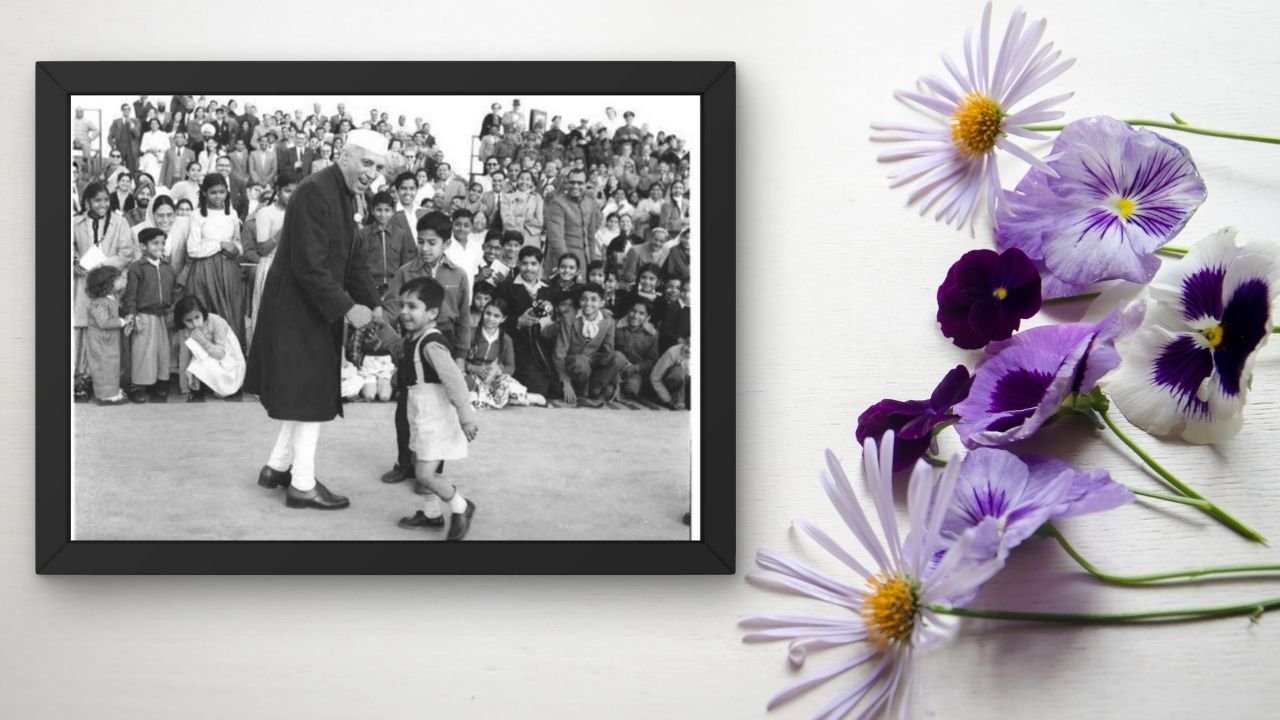
Love for Children ,Children’s Day
Nehru loved children deeply. Because of his affection, his birthday on November 14 is celebrated as Children’s Day in India.
Children used to call him “Chacha Nehru,” which means “Uncle Nehru.”
Books Written by Jawaharlal Nehru
He was also a great writer. Some of his famous books are:
- The Discovery of India
- Glimpses of World History
- An Autobiography
These books explain history, culture, and his life.
Death of Jawaharlal Nehru (1964)
Jawaharlal Nehru passed away on May 27, 1964.
He died in New Delhi, at his official residence, Teen Murti House. The cause of his death was a heart attack.
His death was a great loss for India. Millions of people paid their respects, and the nation mourned deeply for its first Prime Minister.
How many years did he serve as Prime Minister (1947–1964)
Nehru became the first Prime Minister of India on August 15, 1947, after India’s independence.
He served as Prime Minister until his death in 1964.
Total years as Prime Minister: 17 years
During his time, he worked to build modern India, focusing on education, science, and industry.
Awards and Honors
Jawaharlal Nehru received many honors for his contributions:
Bharat Ratna (1955)
He was awarded the Bharat Ratna in 1955, which is India’s highest civilian award.
Other Honors
- His birthday, November 14, is celebrated as Children’s Day in India.
- Many universities and institutions are named after him.
- He is remembered as the architect of modern India.
FAQS
1) What is Jawaharlal Nehru famous for in history?
Jawaharlal Nehru is famous in history as India’s first Prime Minister, a key leader in the freedom struggle, a close associate of Mahatma Gandhi, and a builder of modern India through democracy, education, science, and industrial development after independence.
2) What did Nehru do to Kashmir?
Jawaharlal Nehru handled the Kashmir issue after 1947. He accepted Jammu and Kashmir’s accession to India, sent Indian troops to stop the invasion, and later took the matter to the United Nations to seek a peaceful solution.
3) Who is the first wife of Jawaharlal Nehru?
Jawaharlal Nehru married Kamala Nehru in 1916. She was his only wife, not his first among many. Kamala Nehru supported the freedom movement and stood by him during difficult times.
Read More: