Vishnugupta Life Story Last Gupta Emperor was among the last rulers of the Gupta Empire during its 6th-century decline. The Gupta Empire was known as the “Golden Age of India” for its achievements in education, science, art, and culture.
Vishnugupta is remembered as one of the final Gupta kings who tried to uphold the empire during challenging times. Understanding his life requires looking at his early years, family background, and the challenges he faced.
Early Life of Vishnugupta
Born in the early 6th century CE in India, Vishnugupta’s childhood remains largely a mystery. Only a handful of historical records from this era have survived, leaving much of his early life unknown.
As a member of the royal Gupta family, he grew up in the palace and was immersed in royal traditions from an early age. His training included administration, religious practices, and military skills developed throughout his childhood.
During his early years, the Gupta Empire had already begun to weaken due to foreign invasions and internal conflicts.
Parents of Vishnugupta
Vishnugupta was the son of Kumaragupta III. He belonged to the later Gupta dynasty, which ruled after the powerful emperors of the Gupta Golden Age.
The Gupta dynasty included famous kings such as:
- Chandragupta I
- Samudragupta
- Chandragupta II
- Skandagupta
These rulers helped make the Gupta Empire strong before its decline. Vishnugupta Life Story Last Gupta Emperor
Education of Vishnugupta
As a prince, Vishnugupta likely received a high-quality royal education.
During the Gupta period, education was highly respected. Students learned subjects such as:
- Sanskrit language
- Hindu scriptures
- Politics and governance
- Military science
- Literature and philosophy
The Gupta rulers also supported renowned educational centers such as Nalanda University.
Marriage of Vishnugupta
There is very little historical information about Vishnugupta’s marriage. Ancient records do not clearly mention his wife’s name or details of his married life.
Historians believe he may have married within royal families to maintain political alliances, a common practice among ancient Indian kings.
Children of Vishnugupta
No clear historical evidence is available regarding Vishnugupta’s children. Because the Gupta Empire declined soon after his reign, detailed family records were not properly preserved.
Language Used During Vishnugupta’s Rule
The main language used during the Gupta period was Sanskrit.
Sanskrit was widely used for:
- Government inscriptions
- Religious texts
- Literature
- Education
The Gupta rulers greatly supported Sanskrit culture and learning.
Rise to Power
Vishnugupta became king around 540 CE, when the Gupta Empire had already lost much of its strength.
After the rule of earlier Gupta emperors, many local kingdoms became independent. Foreign invasions also weakened the empire.
Even though the political situation was difficult, Vishnugupta became ruler and tried to continue the Gupta administration and traditions.
Vishnugupta and the Decline of the Gupta Empire
The reign of Vishnugupta is closely connected with the final decline of the Gupta Empire.
Several reasons caused the decline:
- Attacks by the Huns)
- Weak rulers after Skandagupta
- Economic problems
- Internal conflicts
- Loss of territories
By VishBy Vishnugupta’s reign, the empire was much reduced from its golden age. Some historians consider him one of the final important Gupta rulers before the empire disappeared completely.
Administration and Governance
Vishnugupta followed the traditional Gupta administrative system.
The empire was divided into provinces and districts. Local governors handled administration under the king’s authority.
The Gupta administration supported:
- Agriculture
- Trade
- Religious institutions
- Education
Yet weak central control meant that Vishnugupta struggled to manage the far-flung regions of his empire.
Religion and Culture
Like earlier Gupta rulers, Vishnugupta supported Hinduism.
The Gupta period is famous for:
- Hindu temple architecture
- Sanskrit literature
- Indian art and sculpture
- Religious tolerance
Even during the decline, Gupta cultural traditions continued under Vishnugupta’s rule.
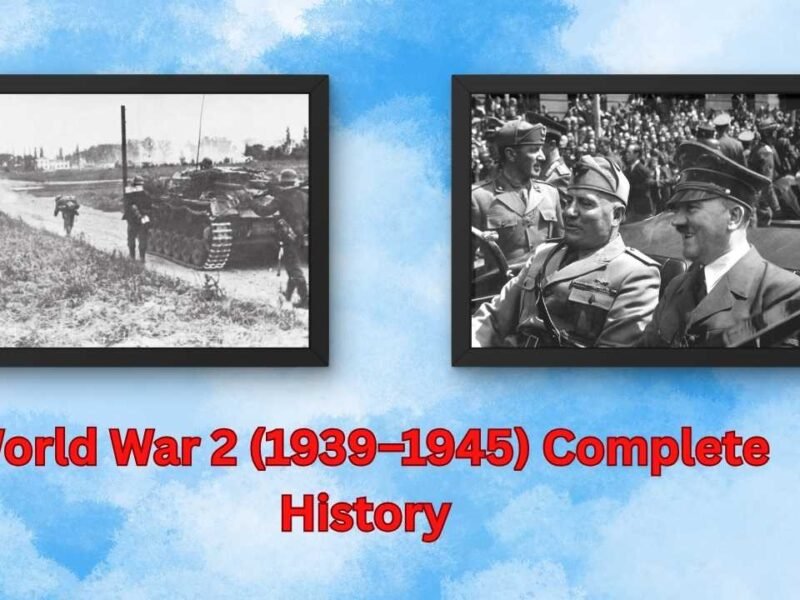
Coins of Vishnugupta
Coins issued during Vishnugupta’s reign have been discovered by historians and archaeologists.
These coins help confirm his rule and position in the Gupta dynasty.Vishnugupta Life Story Last Gupta Emperor
The coins contained:
- Royal symbols
- Sanskrit inscriptions
- Hindu religious images
Because the empire was economically weaker during his reign, fewer coins were produced than in earlier periods.
Challenges During His Rule
Vishnugupta faced many serious challenges during his reign.
Major Problems
- Foreign Invasions
The Huns attacked parts of northern India, weakening Gupta power.
- Weak Economy
Continuous wars reduced trade and economic strength.
- Internal Conflicts
Regional rulers became independent and reduced the authority of the Gupta king.
- Declining Military Power
The Gupta army was no longer as strong as it had been.
These overwhelming challenges made it nearly impossible for Vishnugupta to restore his empire to its former strength.
Death of Vishnugupta
The exact year of Vishnugupta’s death is not known with certainty, but historians believe he died around the middle of the 6th century CE, possibly after 550 CE.
Death Place
The exact place of his death is unknown because historical records from that period are limited.
Age at Death
His exact age is also not known, but historians estimate that he may have been middle-aged when he died.
After hAfter his death, the Gupta Empire ended, and regional kingdoms rose in northern India. The reign of Vishnugupta.
Although Vishnugupta ruled during a difficult period, he remains historically significant. Achievements
- Continued the Gupta royal tradition
- Maintained administration during decline
- Preserved Gupta cultural values
- Left historical evidence through coins and inscriptions
He is remembered as one of the last rulers of India’s greatest empire.
Importance of Vishnugupta in Indian History
Vishnugupta’s reign marks the final phase of the Gupta Empire. The Upta Empire contributed greatly to Indian civilization in areas such as mathematics
- Astronomy
- Literature
- Science
- Art and architecture
Even though Vishnugupta could not prevent the empire’s fall, he remains an important historical figure associated with the Gupta Golden Age.
Conclusion
Vishnugupta was one of the final rulers of the Gupta dynasty during the 6th century CE. He ruled during a time of political weakness, foreign invasions, and economic decline.
Although historical information about him is limited, Vishnugupta remains important because he ruled at the end of the famous Gupta Empire, one of the greatest empires in ancient Indian history.
His life story teaches us how even powerful empires can slowly decline over time.
FAQs About Vishnugupta
Who was Vishnugupta?
Vishnugupta was one of the last rulers of the Gupta Empire in ancient India.
When did Vishnugupta rule?
He ruled around 540 CE during the final stage of the Gupta Empire.
Who was the father of Vishnugupta?
His father was Kumaragupta III.
Which language was used during Vishnugupta’s rule?
Sanskrit was the main language used during his rule.
Why is Vishnugupta important in Indian history?
He is important because he ruled during the final phase of the Gupta Empire.
What caused the decline of the Gupta Empire?
Foreign invasions, weak rulers, economic problems, and internal conflicts caused the decline of the Gupta Empire.
Read More: